
Getting Started with Kizomba Dancing
Learn the sensual partner dance that's bringing people together at weekend socials across Lisbon, Porto, and Cascais

What is Kizomba?
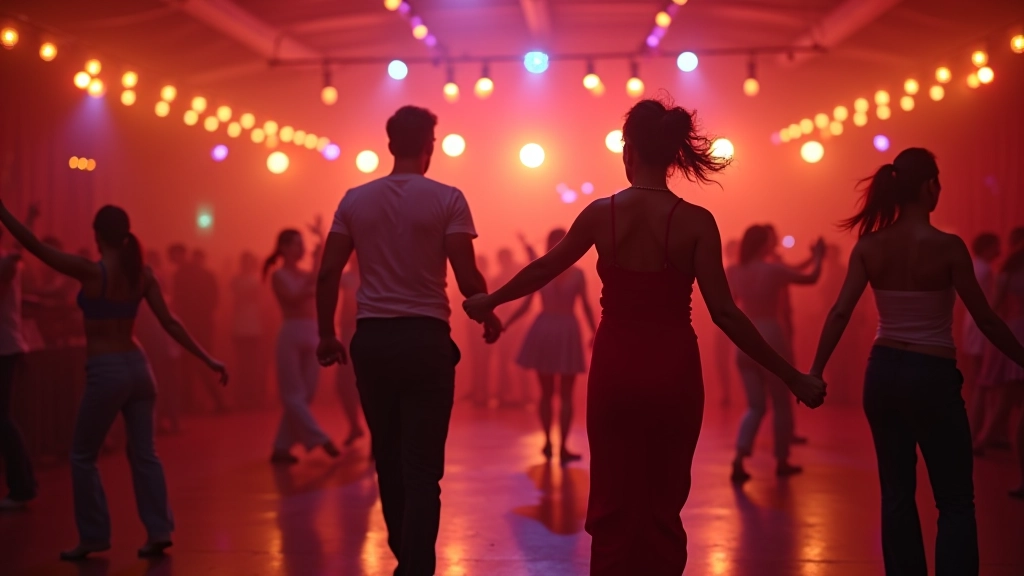
Kizomba isn't just a dance—it's a conversation between two people. Originating from Angola in the 1980s, this intimate partner dance combines sensual hip movements with smooth footwork. You'll often see it at weekend social gatherings throughout Portugal, where dancers of all ages come together to connect through movement.
The beauty of kizomba is that it's accessible. You don't need to be athletic or particularly coordinated to start. What matters most is your willingness to listen to your partner and feel the music. Whether you're 25 or 65, you can learn and enjoy this dance.
The Basic Steps
Every dancer starts here. The fundamental kizomba step is called the "basic" or "base"—and it's simpler than you'd think. You'll move forward and back in a smooth, controlled manner while your hips follow the rhythm naturally.
1
Step Forward
Leading partner steps forward on count 1 with the left foot. Keep your body relaxed and let your hips move naturally with the weight transfer.
2
Shift Weight
Shift weight to the right foot on counts 2-3. The follower mirrors these movements, creating a connected, flowing pattern.
3
Step Back
Step back with the right foot on count 4. Then return to center. This creates the back-and-forth rhythm that defines kizomba.
Most beginners pick this up within 2-3 sessions. Don't worry if it feels awkward at first—that's completely normal. Your feet will find the rhythm once you stop overthinking it.

Connection is Everything
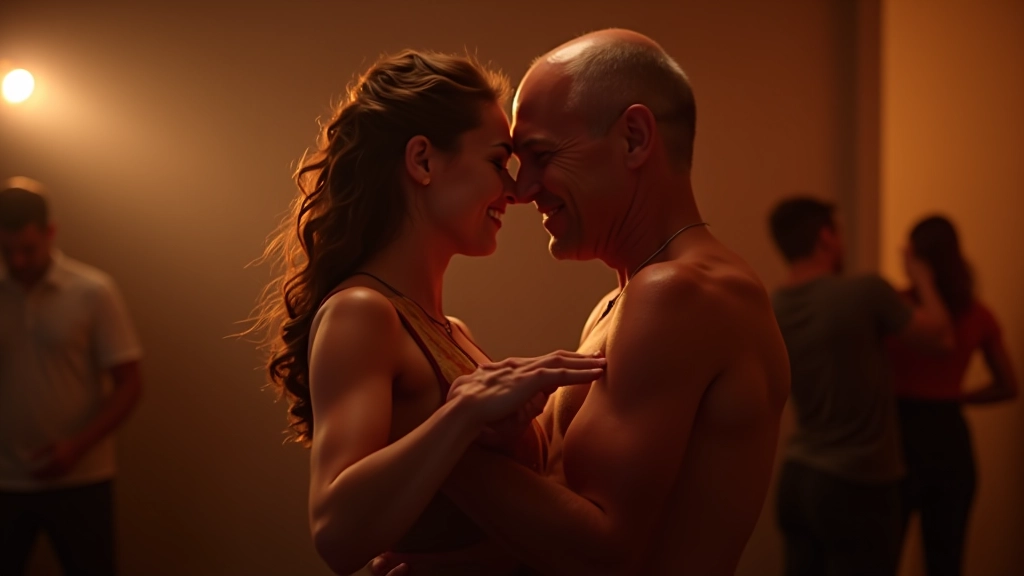
Here's what separates kizomba from other partner dances: it's all about connection. You're not just moving next to someone—you're moving as one unit. The lead and follow work together, communicating through touch and body awareness.
When you first start, you'll probably hold your partner at arm's length. That's fine. But as you progress, you'll move into a closer frame. This isn't aggressive or uncomfortable—it's respectful and controlled. Your partner will guide you with subtle movements through their chest and arms, and you'll respond by following their lead.
This two-way conversation is why many people—especially those over 45—fall in love with kizomba. It's meditative. You're present with another person. No distractions, no performance anxiety. Just two people moving together to beautiful music.
Getting Started: Practical Tips
Listen to the Music
Kizomba music has a distinctive rhythm. Spend time listening to artists like Gilson Njimbiri or Anselmo Ralph before your first class. You'll recognize the beat instantly once you know what to listen for.
Wear Proper Shoes
Dance shoes with a smooth sole help you pivot and slide. You don't need expensive ones—just something that glides on the floor. Regular sneakers grip too much and make learning harder.
Take a Class
Don't try to learn from videos alone. A live instructor can correct your posture and frame in real time. Most Portuguese dance studios offer beginner classes twice weekly—no experience needed.
Be Patient With Yourself
Progress isn't always visible week to week. You might feel clumsy for the first month. That's completely expected. By week 8-10, you'll notice real improvement in your balance and timing.
Find a Regular Partner
Dancing with the same person multiple times helps you both improve faster. You'll develop a natural rhythm together. Most social groups rotate partners, so you'll meet lots of people anyway.
Attend a Social
After a few weeks of lessons, head to a weekend social gathering. You'll see dancers at all levels. Everyone's supportive. There's zero judgment—people are just there to enjoy music and movement.
Your First Three Months
Here's what a realistic timeline looks like for most beginners. Everyone progresses at their own pace, but these milestones are pretty standard.
Weeks 1-2
Learning the Basics
You'll master the basic forward-back step. Your feet might feel heavy, and you'll probably think too much about what comes next. That's fine. You're building muscle memory.
Weeks 3-6
Finding Your Flow
The step becomes automatic. You'll start feeling the music rather than counting beats. Connection with your partner improves. You might learn your first variation or turn.
Weeks 7-12
Growing Confidence
You're comfortable at socials. You can dance multiple songs without feeling exhausted. You understand the lead-follow dynamic. You've probably made new friends in the dance community.
Educational Information
This guide is intended for educational purposes to help beginners understand kizomba dance fundamentals. Individual progress varies based on natural ability, prior dance experience, and consistent practice. If you have any physical limitations or health concerns, consult with a healthcare professional before beginning dance training. Dance instruction quality depends on your instructor's experience and teaching approach.

Explore More Dance Guides