Connecting Through Movement in Portuguese Cities
Dance isn't just about steps — it's about friendship. Learn how the over 45 dance community builds lasting connections through weekly socials, shared laughter, and the universal language of movement.
More Than Just Dancing
When Maria first walked into a salsa social in Lisbon three years ago, she wasn't expecting to find her closest friends. She came for the music and the movement. What she found was community. "I didn't know anyone," she says. "By the end of the first night, I'd been introduced to a dozen people who genuinely wanted to know my name."
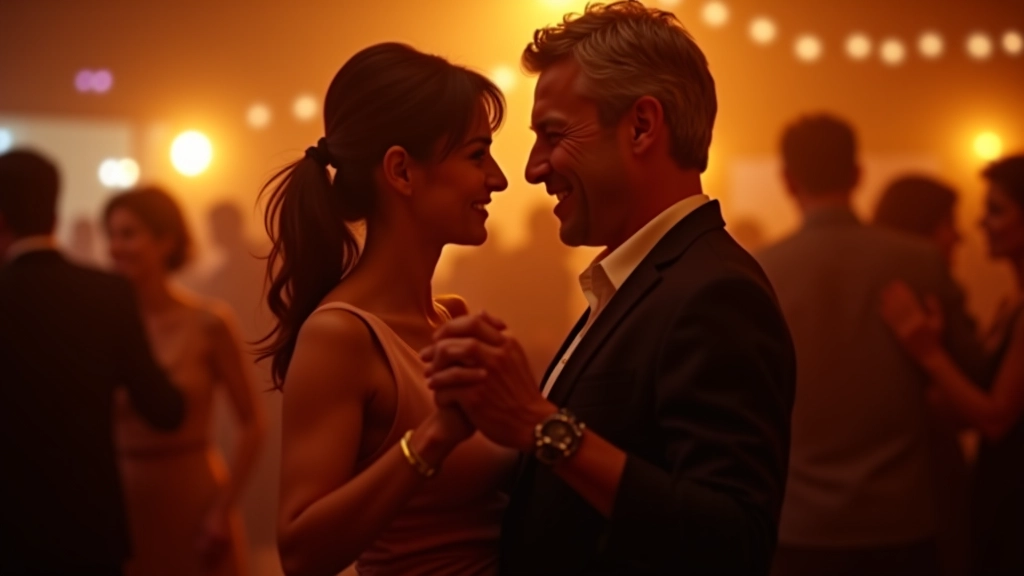
That's what happens when you bring together people who share the same passion. Whether it's kizomba's sensual partnership or salsa's energetic rhythms, these weekly gatherings across Portuguese cities have become something bigger than dance classes. They're social anchors. Places where people over 45 come together, feel welcomed, and build real friendships that extend far beyond the dance floor.
Why Dance Communities Matter
- Regular social connection reduces isolation
- Physical activity keeps you energized
- New friendships happen naturally
- Shared interest creates belonging
The Weekly Social Ritual
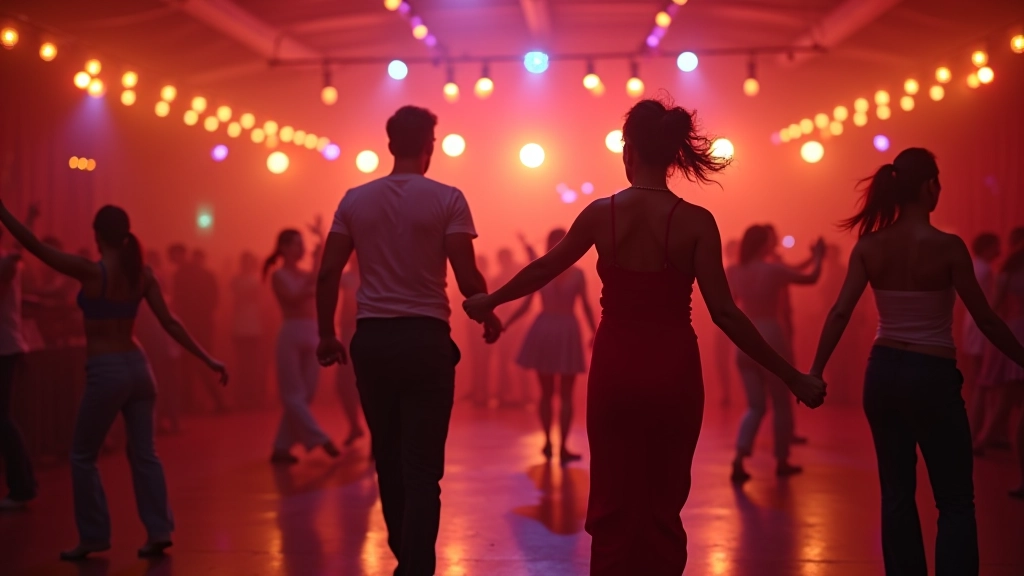
Every Friday night in Porto, you'll find the same group gathering at a converted warehouse near the Ribeira district. Some arrive early — around 8 PM — just to chat and catch up. By 8:30, the DJ's warming up. By 9, the floor's full.
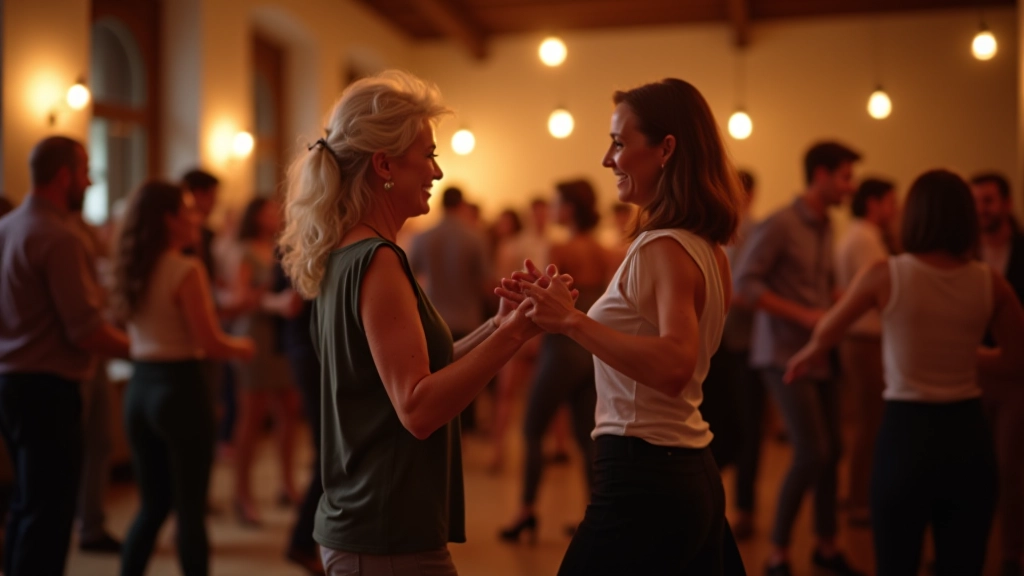
These aren't formal lessons. This is social dancing in its purest form. Partners rotate. Beginners dance alongside people with years of experience. The unwritten rule? Everyone helps. If someone's struggling with a particular move, three different dancers will offer to show them the next week. It's how the community grows.
João, who's been organizing socials in Porto for eight years, says the consistency matters more than anything else. "People need to know where you'll be and when. That's how community forms. Not from one-off events, but from reliability. We've been at the same venue, same time, for five years now. That's why we've got 60-80 people showing up every single week."
About This Guide
This article provides informational content about dance communities and social gatherings in Portugal. It's designed to help you understand how these communities operate and what to expect when you attend. Always check local event listings for current schedules, and don't hesitate to reach out to organizers if you have specific questions about accessibility or your comfort level participating.
Building Friendships Through Dance
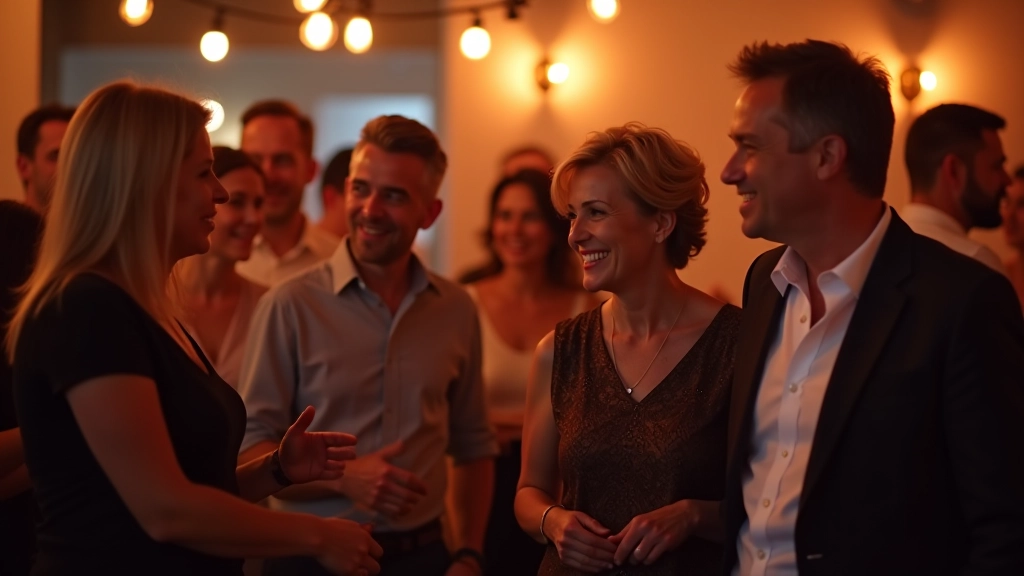
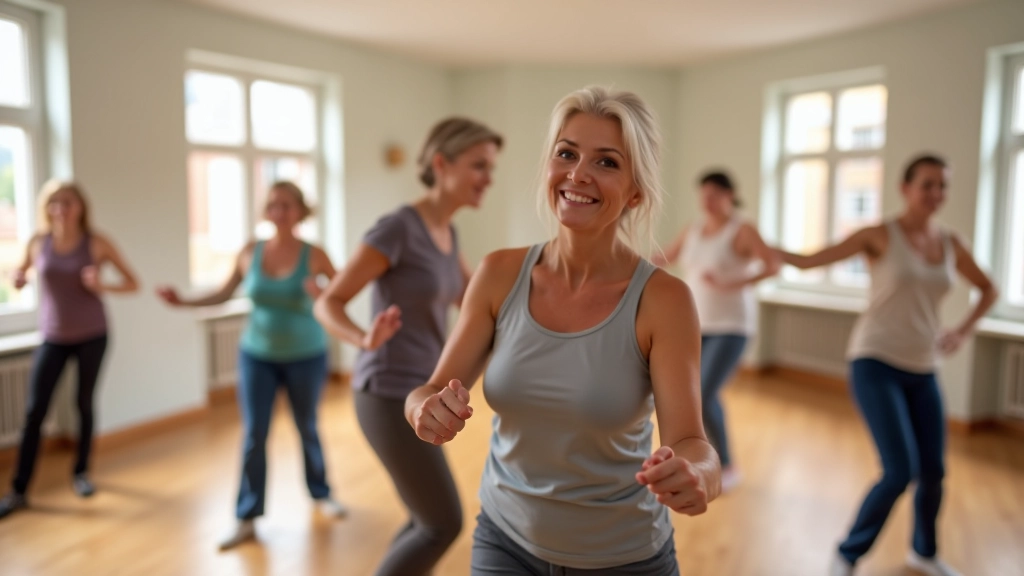
What's remarkable about these communities isn't just that people dance together. It's what happens in between songs. Partners chat about their week. Groups grab coffee after. WhatsApp groups buzz with jokes and invitations to weekend activities that have nothing to do with dance.
Rosa, who dances in Cascais, describes it like this: "You don't make friends because you're learning to dance. You make friends because you're showing up. You're vulnerable enough to dance in front of people. You're humble enough to ask for help. You're patient enough to wait for your turn. Those things build connection."
The statistics back this up. Research shows that regular group activities like dance socials significantly improve social connection and reduce feelings of isolation — something particularly important for people over 45. But numbers don't capture the real magic: the first time someone asks you to dance, or when a regular remembers your name three months later.
What You'll Find at a Social
If you're thinking about attending your first dance social, here's what to expect. Most socials run from 9 PM to midnight, though some venues stay open later. You don't need a partner — the beauty of these events is that people rotate partners every few songs. You'll dance with someone new every 10-15 minutes.
The dress code? Smart casual. No fancy outfits required. Comfortable shoes matter — you'll be on your feet for three hours. Bring water. Most venues have a small bar, but you're not expected to buy anything.
What surprised most people is how welcoming it all feels. Nobody's judging. The person next to you isn't comparing themselves to you. They're just happy someone showed up to dance. That mindset makes all the difference. It's why people who walked in nervous walk out smiling, already planning to come back next week.
The Real Connections
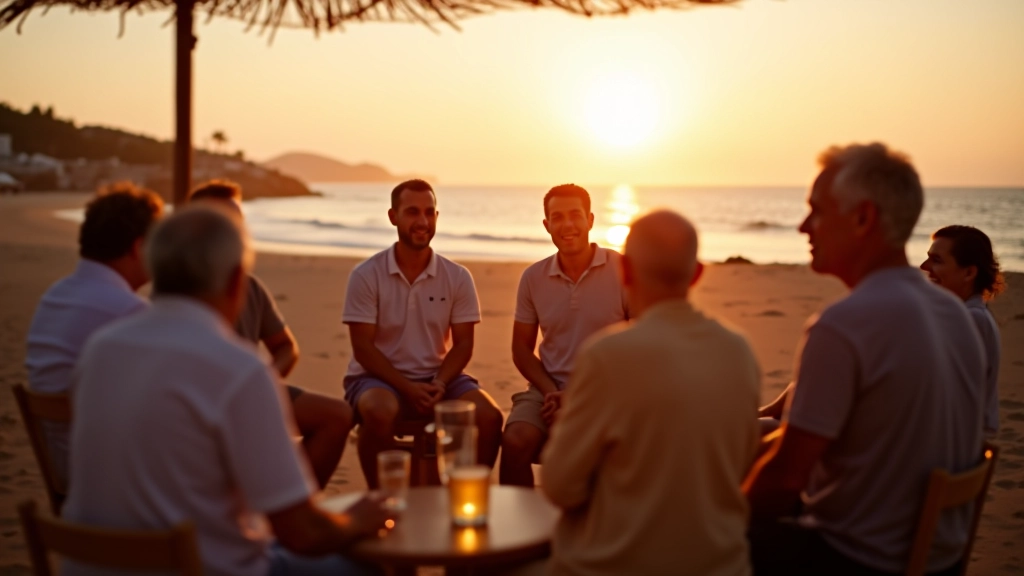
Three months into attending Lisbon's Tuesday night kizomba social, David wasn't expecting to become best friends with the guy who showed him the basic step. But that's exactly what happened. They started getting coffee before the social. Then they started inviting other dancers to dinner. Now there's a group of eight who go out every Thursday — sometimes to dance, sometimes just to talk.
This is the real story. Not the "I improved my technique" story — though that happens too. It's the "I found my people" story. The one where a Friday night dance social becomes the highlight of your week. Where you genuinely look forward to seeing the same faces. Where someone remembers that you mentioned your daughter was getting married, and they ask how it went.
These connections don't happen by accident. They happen because communities are intentional. Because organizers keep showing up week after week. Because dancers decide to be patient with beginners. Because people choose to see each other as friends first, dance partners second.
Your Next Step
The dance communities across Portuguese cities aren't exclusive clubs. They're open, welcoming spaces where people of all skill levels show up to move together and build something meaningful. Whether you're in Lisbon, Porto, Cascais, or anywhere in between, there's likely a social happening near you right now.
The hardest part is always walking through the door. But once you do, you'll understand what keeps people coming back week after week. It's not the perfect technique. It's not even the music — though that's pretty good too. It's the feeling of belonging. The knowledge that you've got people who want to see you there. That matters more than any dance move ever could.